
This is a copy of my talk given at Ayia Kyriaki and Saint Luke’s in the Anglican Church of Paphos on Sunday 13 October 2024. The Bible reading was Mark 10:17-31
Prayer
Heavenly Father
I thank You for Your word
By the power of the Holy Spirit
May You speak to my heart
And change my life
In the precious name of Jesus I pray
Amen.
Introduction
One of my favourite stage shows/musicals in recent times is Hamilton. The show, written by Lin-Manuel Miranda, is based on the life of Alexander Hamilton (1757-1804) and the remarkable events of the early American Republic after the War of Independence. It’s a quite a remarkable story/production. I’ve written a blog about it!
Hamilton: An American Musical
Hamilton was responsible for setting up the banking system in the states in the late 1700’s, which still lasts to this day. His picture is on the 10-dollar bill. He was also a signatory to the Declaration of Independence which states:
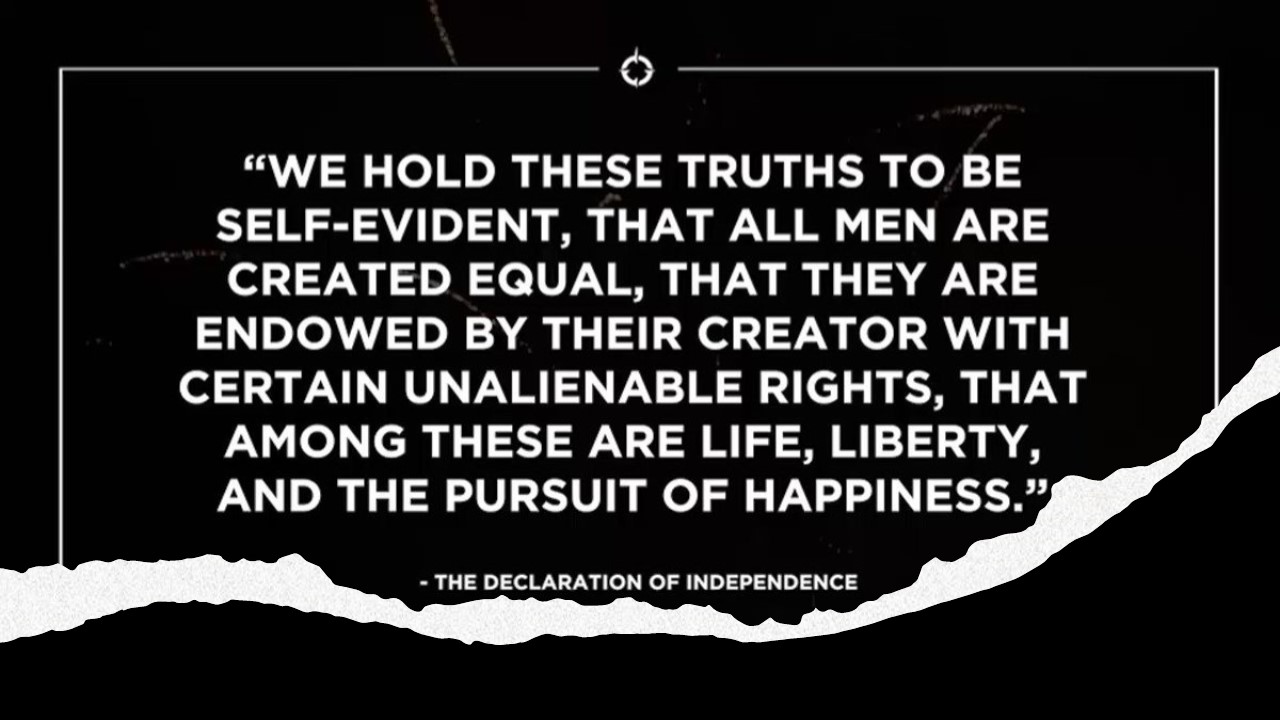
It’s an interesting statement, isn’t it? Is this the kind of mindset that Christian’s should live by? Is the pursuit of our own happiness the ultimate goal? In this passage, we are challenged about where our priorities lie, and we’ll look at this by asking three questions: What must I do? Where must I be? How can this be?
- What Must I Do? vs 17-21
Wherever Jesus went he caused a stir. When it was the Pharisees and Scribes, they got angry when Jesus accused them of hypocrisy. When it was the ordinary people, they went to hear him in droves.
You can imagine the situation here, a young man comes along and asks the $64,000 dollar question: What must I do to inherit eternal life. It might not be the first question people ask, but it is surely one that we all recognise within ourselves. They are known as the first order questions of life: Is there a God? What is the meaning of life? What happens when I die?
A few years ago, I went on retreat to Abbey House in Glastonbury – famous as a place of Christian pilgrimage (legend has it that Joseph of Arimathea planted the famous Glastonbury Thorn there). In recent years, however, Glastonbury is now more famous for hosting the largest music festival in Europe.
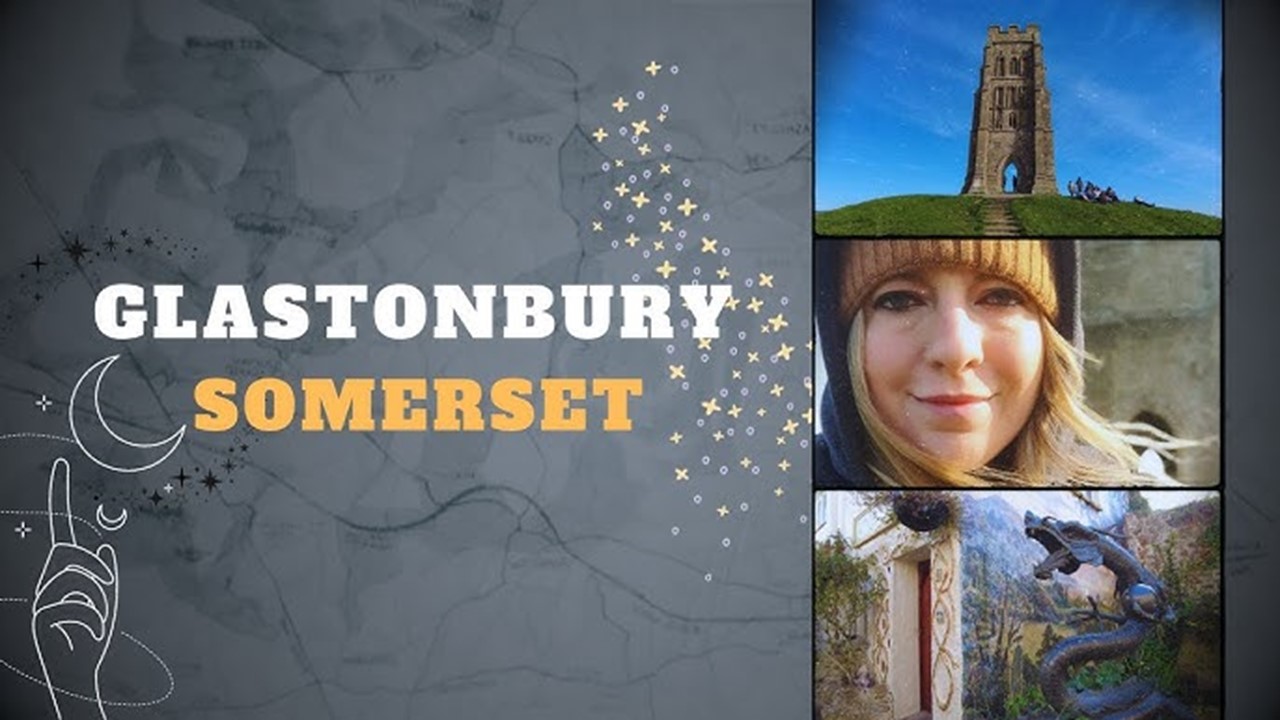
It’s quite an inconspicuous place until you walk down the High Street and then you see a whole array of weird (and wonderful!) New Age shops. Some of it was quite scary – even at 2.00 pm in the afternoon. Crystals, Gurus, Occult … The saddest thing is that the church was closed! A church in the middle of one of the most religious streets in the UK was closed! Glastonbury attracts a strange group of people who, like this young man, are looking for answers to the first order questions of life, but who find themselves looking in the wrong places.
This young man had the good job, or at least he was rich enough not to have to worry about a job. The other Gospel’s tell us he was a ruler. Deep down, however, he knew that something was missing. He was looking for: eternal life. Then along comes a young Rabbi who seems to have all the answers. People speak wonderfully of him. He heals people and tells people all they have ever done. This man will tell me what I need to hear. This man will tell me how I can be satisfied. This man knows who I am and what I need to do to inherit eternal life.
He even shows great respect to Jesus. He kneels and calls him ‘Good teacher.’ And so, the question is asked, ‘What must I do to inherit eternal life?’ Jesus tells the man to obey the law. And if you have obeyed it to the letter, then eternal life is yours.
And the young man, without a hint of irony, states that he has obeyed the law from his youth. He was a religious young man. He was probably a regular at the temple, attending morning and evening services and never missing a midweek event. He always logs on to ZOOM prayers. The problem, though, is this young man has fallen into a terrible trap – of which he is only partially aware. He thinks he can earn his way into heaven.
Jesus looked at him and loved him. Jesus saw his heart and sincerity and loved him for it. “One thing you lack,” he said. I can easily imagine the man saying to himself, “One thing? One thing? What’s the one thing I don’t have?” I imagine him taking a mental inventory of his life, accomplishments, and possessions trying to figure out what one thing he still lacks. I imagine him picturing in his mind every item he owns, recalling everything he has done, and then wondering what he should do or get next. But Jesus is talking about ‘one thing’ not one more thing and he gives him an answer he doesn’t want to hear.
What if Jesus said to you, “You lack one thing?” How would you respond? Would that ‘one thing’ be a barrier to following Jesus? Would you go and sell your possessions and give all your money to the poor. Would you sell your car and your house and your computer and, gasp, your phone? Would you do it? Would I? And if we did, would we do it joyfully?
- Where Must I Be? vs 22-25
So, the question is not, ‘What must I do?’ but rather, ‘Where must I be?’ vs22-24: At this the man’s face fell. He went away sad because he had great wealth.” And here is the problem. The first flush of enthusiasm. The rash promises. The fire and openness of youth confronted by the reality of his own sin. Here was a rich young man, but his wealth held him. He was happy if his religion was kept in a nice box that could be brought off a shelf, dusted down, and opened for show on whatever day of the week necessary, but when it came to the cross. When it came to being more than religion, when it came to a life commitment, he went away sad, because he wasn’t prepared to give up his great wealth.
Despite his position/wealth he could do nothing to inherit eternal life. And it’s not just that he would no longer be rich. It’s that he would no longer control his own destiny.
“Jesus looked around and said to his disciples, “How hard it is for the rich to enter the kingdom of God!” It is easier for a camel to go through the eye of a needle than for a rich man to enter the kingdom of God.”
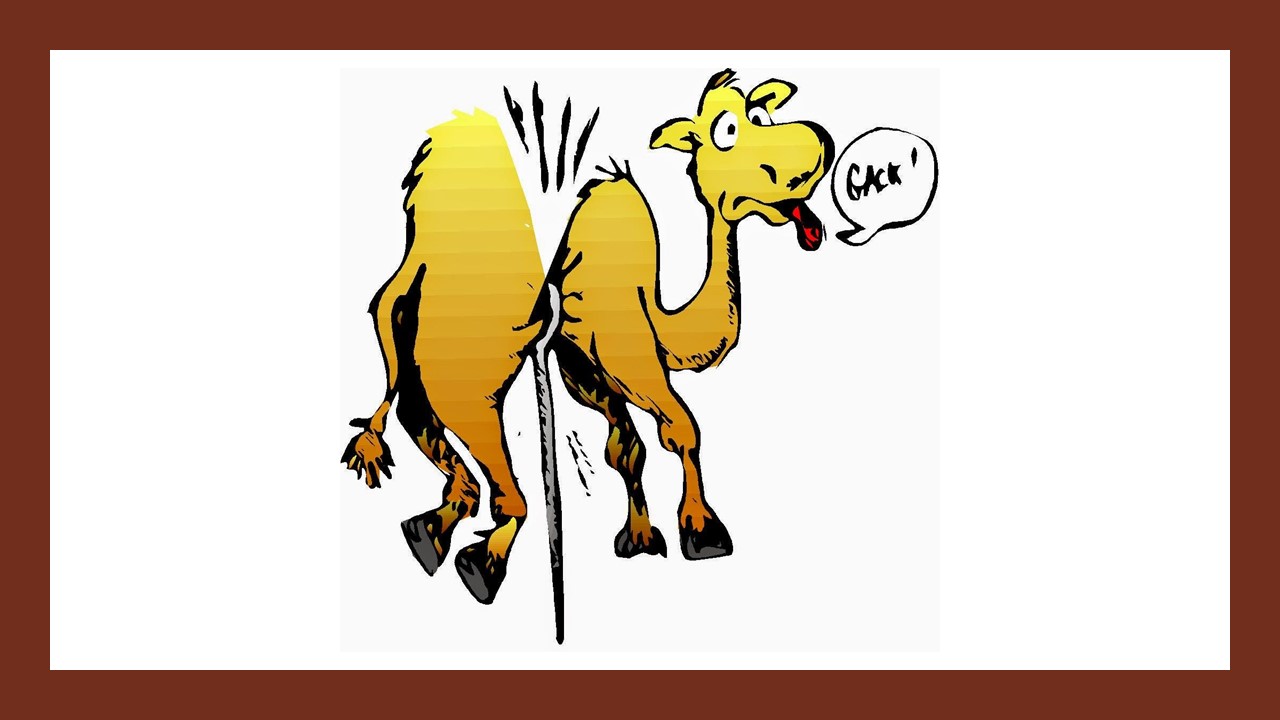
Mark 8:36: For what shall it profit a man, if he shall gain the whole world, and lose his own soul?
It’s worth mentioning here that Jesus never condemned those who were rich, only how they used/abused their wealth/influence.
- How Can This Be? vs 26-31
The disciples were even more amazed, and said to each other, “Who then can be saved?” Jesus looked at them and said, “With man this is impossible, but not with God; all things are possible with God.” Peter said to him, “We have left everything to follow you!” “I tell you the truth,” Jesus replied, “no one who has left home or brothers or sisters or mother or father or children or fields for me and the gospel will fail to receive a hundred times as much in this present age … and in the age to come, eternal life.”
Not only was the young man astonished and unable to respond. The disciples were astonished, too. You can imagine them listening to the conversation and nodding sagely, as if they were the founts of all wisdom and knowledge. They had heard Jesus speaking many times before and they were waiting for what they perceived would be the punch line. The problem, however, was that they weren’t expecting this line at all.
They are shaken out of their complacency and forced to face a real question. It is the ‘what about me?’ question. I thought I was all right and now I see that I am not too dissimilar from this man that has just walked away. The disciples quite rightly see that no one meets God’s standards. Except Jesus that is.
It should not really be a surprise that we can do nothing to save ourselves. We may know the right responses. But deep down we can still think that we are all right. God should be pleased that we are here in church, giving our money, supporting all the right things. But we can get into a routine of life, can’t we – and church can become routine if we are not careful. A relationship with our creator God is so important. Coming to God on His terms and not ours. Swallowing our pride. Trusting in what Jesus has done on a cross as the only means for your and my salvation.
Conclusion
The Wall Street Journal once quoted an anonymous wit who defined money as:
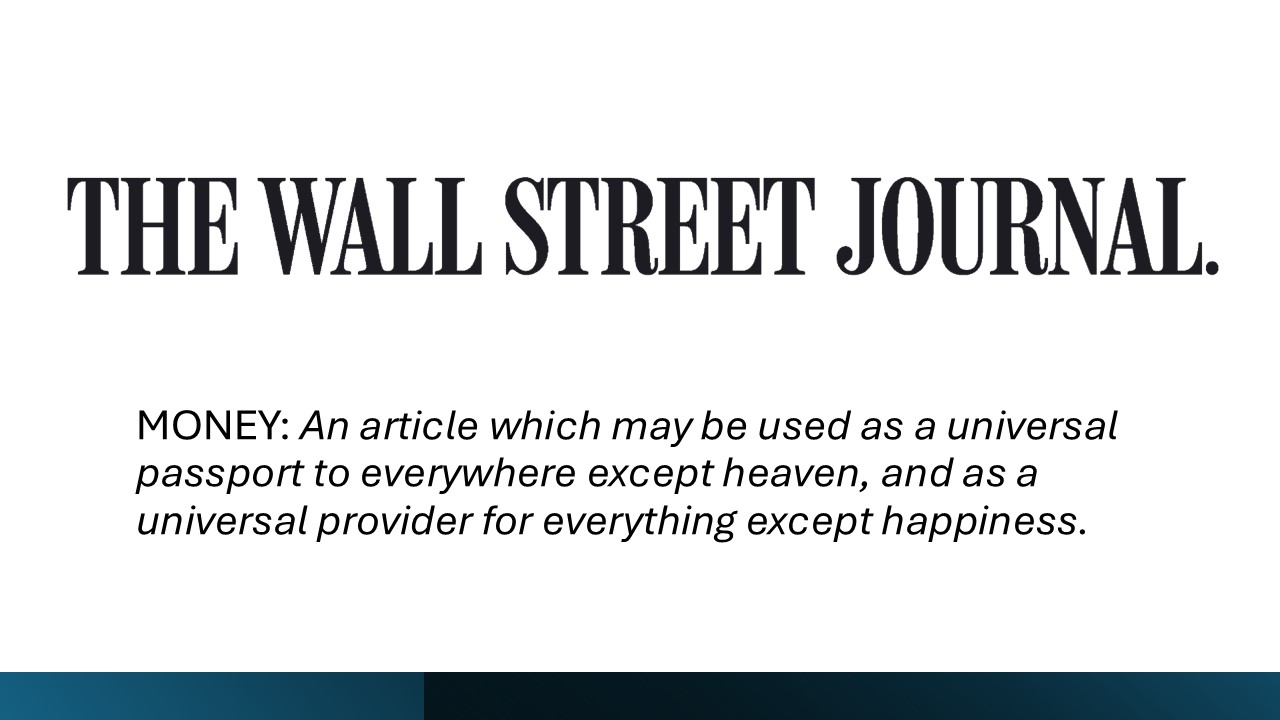
He might have wanted to add something about money being a wonderful servant but a terrible master. We cannot serve two masters. We cannot serve both God and money. If God is our master, then money will be our servant. But if money is our master, then we become the servants of money and money is an unforgiving master. We waste our lives instead of investing in them.
Of all the people who came to Jesus, this man is the only one who went away in a worse than when he first approached him. What are you holding that is closer to your heart than anything else? Is the life Jesus has for you better than that thing you’re holding so tightly? Would you risk following him to find out? The point is to trust him with all who you are and all that you have. Hand it over to Jesus and you will have treasure in Heaven.
COPYRIGHT DISCLAIMER The text contained in this sermon is solely owned by its author, Revd Paul A. Carr. The reproduction, or distribution of this message, or any portion of it, should include the author’s name.
 revPACman