

Coffee is one of our most favourite beverages. There’s nothing quite like the aroma of freshly brewed coffee in the morning. It’s a ritual that millions of people around the world indulge in on a daily basis.
I’ve always been known as a bit of ‘coffee snob’ – instant coffee doesn’t do it for me! I love the independent shops both here and in the UK – I possess several (well used) loyalty cards! I’ve become quite a connoisseur over the years with so many quite different and tasty brands to consume. Sweet Iced Latte is a current favourite – a cooling drink in a warm climate!
Anyway, few people know exactly how or when coffee was discovered, though there are many legends about its origin, so I thought I’d write a blog about it!
So, let’s take a look at a brief history of coffee …
An Ethiopian Legend
Around 800 AD, it’s said that Kaldi, a goat herder grazing his goats on the high plateaus of the city of Kaffa in Abyssinia, which we call Ethiopia today, noticed something interesting.
The goats, who got tired while climbing high hills, were revived when they ate the small red fruits of a tree – they could not stand still and could not even sleep. The shepherd wondered why this was but soon realised it was after eating berries from a tree. He ate those fruits himself and became stronger and more energetic in a short time. That fruit was coffee.
Kaldi reported his findings to the abbot of the local monastery, who made a drink with the berries and found that it kept him alert through the long hours of evening prayer. The abbot shared his discovery with the other monks at the monastery, and knowledge of the energizing berries began to spread.
The name coffee also comes from the name of the city where it is located, Kaffa. Its fame spread to the region in a short time. It became a passion, especially in the Arabian Peninsula. The Arabs called this happiness hormone “Qahva”. The British: Coffe.
As word moved east and coffee reached the Arabian peninsula, it began a journey which would bring these beans across the globe. Its fame spread from Yemen to the Ottomans, from the Ottomans to Europe, and from there to the Americas.
Arabian Peninsula
Coffee cultivation and trade began on the Arabian Peninsula. By the 15th century, coffee was being grown in the Yemeni district of Arabia and by the 16th century it was known in Persia, Egypt, Syria, and Turkey.
Coffee was not only enjoyed in homes, but also in the many public coffee houses — called qahveh khaneh — which began to appear in cities across the Near East. The popularity of the coffee houses was unequaled and people frequented them for all kinds of social activity.
Not only did the patrons drink coffee and engage in conversation, but they also listened to music, watched performers, played chess and kept current on the news. Coffee houses quickly became such an important centre for the exchange of information that they were often referred to as “Schools of the Wise.”
With thousands of pilgrims visiting the holy city of Mecca each year from all over the world, knowledge of this “wine of Araby” began to spread.
Europe
European travellers to the Near East brought back stories of an unusual dark black beverage. By the 17th century, coffee had made its way to Europe and was becoming popular across the continent.
Some people reacted to this new beverage with suspicion or fear, calling it the “bitter invention of Satan.” The local clergy condemned coffee when it came to Venice in 1615. The controversy was so great that Pope Clement VIII was asked to intervene. He decided to taste the beverage for himself before making a decision, and found the drink so satisfying that he gave it papal approval.
Despite such controversy, coffee houses were quickly becoming centres of social activity and communication in the major cities of England, Austria, France, Germany and Holland. In England “penny universities” sprang up, so called because for the price of a penny one could purchase a cup of coffee and engage in stimulating conversation.
Coffee began to replace the common breakfast drink beverages of the time – beer and wine. Those who drank coffee instead of alcohol began the day alert and energized, and not surprisingly, the quality of their work was greatly improved.
By the mid-17th century, there were over 300 coffee houses in London, many of which attracted like-minded patrons, including merchants, shippers, brokers and artists. Many businesses grew out of these specialized coffee houses. Lloyd’s of London, for example, came into existence at the Edward Lloyd’s Coffee House.
The Americas
In the mid-1600’s, coffee was brought to New Amsterdam, later called New York by the British. In 1714, the Mayor of Amsterdam presented a gift of a young coffee plant to King Louis XIV of France. The King ordered it to be planted in the Royal Botanical Garden in Paris. In 1723, a young naval officer, Gabriel de Clieu obtained a seedling from the King’s plant. Despite a challenging voyage — complete with horrendous weather, a saboteur who tried to destroy the seedling, and a pirate attack — he managed to transport it safely to Martinique.
Once planted, the seedling not only thrived, but it’s credited with the spread of over 18 million coffee trees on the island of Martinique in the next 50 years. Even more incredible is that this seedling was the parent of all coffee trees throughout the Caribbean, South and Central America.
Though coffee houses rapidly began to appear, tea continued to be the favoured drink in the New World until 1773, when the colonists revolted against a heavy tax on tea imposed by King George III. The revolt, known as the Boston Tea Party, would forever change the American drinking preference to coffee.
Coffee – the favourite drink of the civilized world.
Thomas Jefferson
The famed Brazilian coffee owes its existence to Francisco de Mello Palheta, who was sent by the emperor to French Guiana to get coffee seedlings. The French were not willing to share, but the French Governor’s wife, captivated by his good looks, gave him a large bouquet of flowers before he left— buried inside were enough coffee seeds to begin what is today a billion-dollar industry.
Missionaries and travellers, traders and colonists continued to carry coffee seeds to new lands, and coffee trees were planted worldwide. Plantations were established in magnificent tropical forests and on rugged mountain highlands. Some crops flourished, while others were short-lived. New nations were established on coffee economies. Fortunes were made and lost. By the end of the 18th century, coffee had become one of the world’s most profitable export crops. After crude oil, coffee is the most sought commodity in the world.
Influence Of Monks
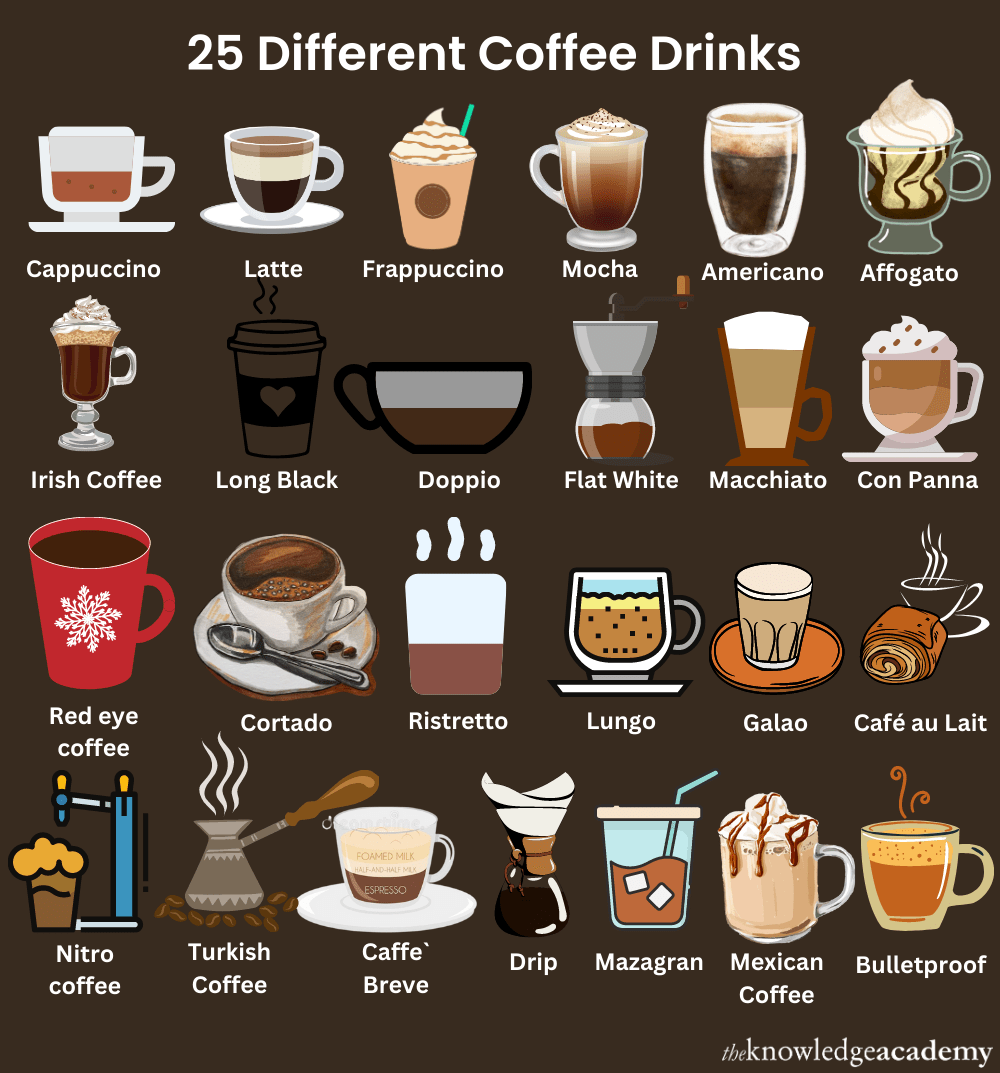
Interestingly, Monks are the ones who founded many of the different types of coffee we drink today. For example, the name Cappucino came from the “hooded” dress worn by monks. They called the one made with dark roasted coffee “Espresso”. Although some call it Expresso, the original is Espresso. It means pressed, hot in Spanish. When you pour espresso over milk, you get “Macchiato”. Macchiato means speck in Italian. Coffee specks on milk. When you add hot water to espresso, you get “Cafe Americano”. They call the mixture of espresso, milk and cocoa “Mocha”. The name comes from the port of El Mocha in Yemen.
Health Benefits
Coffee is more than just a morning pick-me-up; it also offers several health benefits. Studies have shown that moderate coffee consumption can improve mental focus, boost physical endurance, and even reduce the risk of certain diseases.
For instance, coffee is rich in antioxidants, which help protect the body against damage from harmful molecules called free radicals. Regular coffee consumption has been linked to a lower risk of type 2 diabetes, Parkinson’s disease, and liver disease.
However, it’s important to note that excessive coffee consumption can have adverse effects, such as increased heart rate, anxiety, and sleep disturbances. As with most things, moderation is key. Or perhaps decaf is the answer!
Embrace The Journey
Coffee is more than just a beverage; it’s a journey that takes you through history, culture, and flavour. From the rich aroma of freshly ground beans to the satisfying first sip, coffee has a way of bringing people together and enhancing our daily experiences.
Whether you’re a coffee connoisseur or a casual drinker, there’s always more to discover in the world of coffee. So go ahead, try a new brewing method, explore a specialty coffee shop, or simply savour your morning cup with a newfound appreciation.
The world of coffee awaits!
Adapted from Facebook and https://www.ncausa.org/About-Coffee/History-of-Coffee and https://toxigon.com/coffee
Just for fun here are 25 songs about coffee to start your day!

 revPACman
Really interesting. One fact I learned is that Americano got its name from the fact that American soldiers in Italy during WW2 found the Espresso too strong so asked for hot water to top it up, hence Cafe Americano.
LikeLike