
It’s the TV show which has gripped the nation. I wonder how many of you have been hooked on The Traitors Series 2 – the hit show about truth, suspicion, and betrayal? I have to confess – I have. I also have to admit that Series 1 passed me by – I simply didn’t understand, or appreciate, the hype – even though it received a BAFTA TV Award for Reality & Constructed Factual.
I started watching Series 2 two in the UK but had an anxious wait until we had a TV connection here in Cyprus before we could catch up – it was worth the wait. The Traitors Series 2 averaged over 6 million viewers per episode, more than doubling the figures from the previous series.
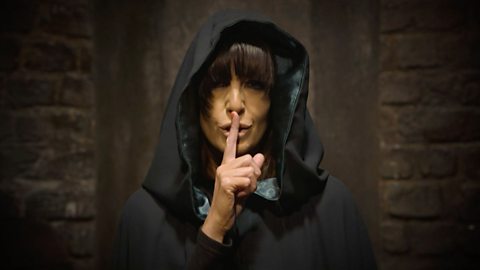
Compered by Claudia Winkleman who really has been the perfect presenter. The way she switched from screechy cheerleader during the challenges to “not angry, just disappointed” when they eliminated Faithful’s and camply hamming it up at Round Tables. She clearly relishes the game.
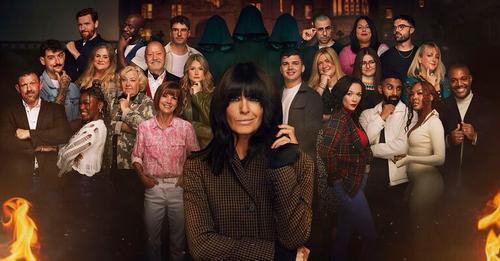
The Traitors is, in essence, very simple. 22 contestants enter a beautiful castle in the Scottish Highlands to play the ultimate reality game of detection, backstabbing and trust. 3 of them are secretly assigned to be Traitors at the beginning; everyone else is a ‘Faithful’. Each night, they pick a fellow contestant to be ‘murdered’ and so, eliminated from the game. The following day, the group convenes at ‘the roundtable’ to decide who they think is a Traitor, who is then ‘banished’ from the game. The group gradually gets smaller and smaller, and the question is: will the Faithful catch the Traitors before the Traitors get the Faithful?
There is, of course, a cash prize to be had and each day the contestants undergo a series of challenges where they work together as a team to bolster a prize fund of up to £120,000. If one of them is lucky, they will retrieve a shield which means they are protected from being ‘murdered’ but not banished! The cruel twist in the tale is that if any traitor is left at the end of the game, they will take all the money and the faithful leave with nothing.
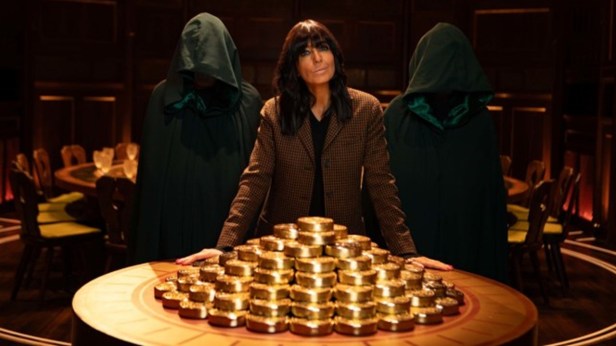
With an aesthetic blend of Hogwarts, Downton, and Dante, rapid movement between animated group scenes and one-on-one shots (the editing is fabulous) and a Shakespearian reliance on dramatic irony (we know who the Traitors are, the Faithful don’t), the show is compelling.
Subplots and strategies abound; you might have worked out who the Traitor is, so you might want to vote them out. But what if you don’t think you would be able to convince enough others to vote them out? But you might have to bide your time until you can persuade them. But then you might get murdered while you’re waiting. Confused?
It’s a game full of moves and countermoves; the Traitors think they’re in control of the game (as they are the ones in the know), but it only takes one Faithful to have suspicions and the tables can turn very swiftly.
And it’s not just the contestants who have fun exercising their little grey cells. As viewers, we’re trying to work out what is going to happen next. Who would you murder, and why? What are the give-away tells which the Traitors have let slip? Who would you form an alliance with?
The Traitors may be a straightforward concept. But each episode is full of enough intrigue to give even Agatha Christie a headache. There are so many fab moments from Series 2, such as:
The Diane / Ross reveal
Miles in shock at breakfast
Diane’s funeral
Catching traitor Paul
Ross’s wink
Jaz quietly figuring it all out
Harry’s shield
The Traitor’s Monument
Molly’s heartbreak
Harry’s win
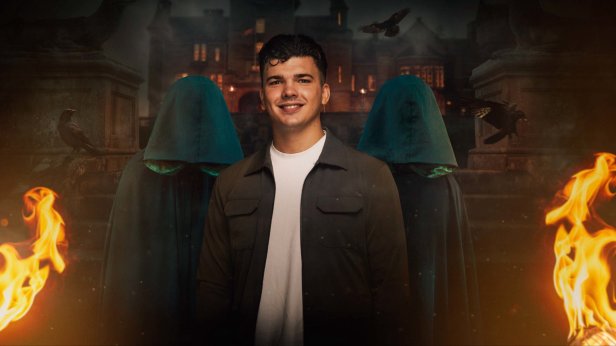
So, what is it that has so captured the nation’s imagination with The Traitors?
We live in a world of social media bots and deepfakes and in a climate where public confidence in the political elite has halved since 1990 and where only 13% of British people have confidence in the press. Suspicion is the norm and deception is assumed. The recent revelation of the Post Office sub-postmasters’ scandal is a case in point.

Who can we trust? That’s the question behind The Traitors. And the show proves we aren’t as good at lie detection (or even lying) as we think.
Some Christians will, for reasons of conscience, find a game show which features deception, treachery and backstabbing to be unpalatable. After all, in Philippians 4, Paul instructs us: “Whatever is true, whatever is noble, whatever is right, whatever is pure, whatever is lovely, whatever is admirable – if anything is excellent or praiseworthy – think about such things.”
Personally, I don’t find my conscience pricked by The Traitors. It is a bit like a murder mystery evening, rather than real life. All the participants enter it knowing that some of them will be lying; and that it’s their job to work out who it is, rather than being utterly blindsided.
Ultimately, the reason we enjoy the game is precisely because it is just that.
A game.
The BBC have a page with ‘all you need to know’ here
Wikipedia have a page with all the ‘ins and outs’ here
 revPACman