
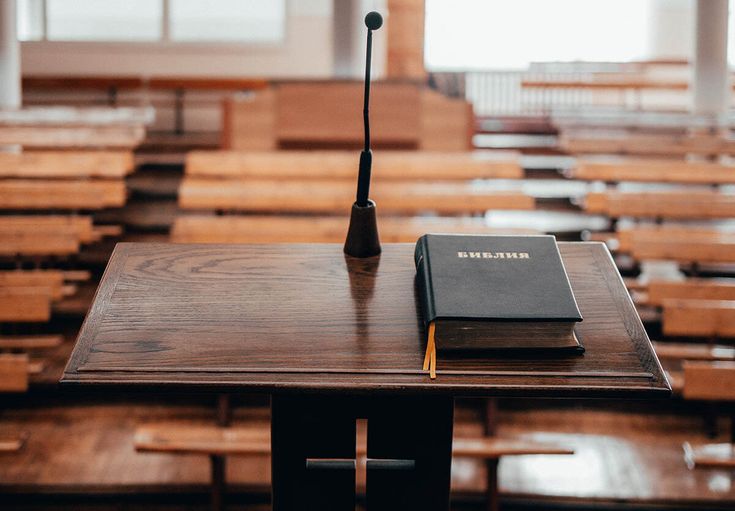
Bible Sunday is celebrated by many churches on 25 October this year – a day set aside to celebrate the gift of God’s word. This is a copy of a sermon provided by the UK Bible Society. based on Nehemiah 8.1–12 and Matthew 24.3–35
I want to begin with a question: what is the oldest Bible you own? Perhaps it is sitting on a shelf at home. Maybe it is a family Bible with names written inside it. Perhaps it is the Bible you were given at confirmation, at school, or by someone who has since gone to be with the Lord.
Many of us have Bibles that carry stories. When we open them, we may find underlined verses, notes in the margins, old prayer cards, funeral service sheets or reminders of seasons of both joy and of sorrow. The pages remind us that God has been faithful before. That matters, because all of us walk through seasons when we need to be reminded of that truth.
Some of us may have arrived at church today full of hope and joy. Others may be carrying disappointment. Some may have seemingly unanswered prayers that weigh heavily on your heart. Others may be worried about the future. Some may not be sure what they believe, or even why they believe it. It strikes me that the people we find in Nehemiah chapter 8 were not so different. They were a people who needed to hear from God.
The story begins with a people group who have been through a great deal. They have known exile, loss and disappointment. They have returned to Jerusalem, and the city walls have by this time been rebuilt. But rebuilding walls, although a difficult task, is far easier than rebuilding hearts. The people need more than physical security. They need to hear the voice of God.
So they gather together and ask Ezra to bring out the Book of the Law. Notice that nobody has to persuade them. Nobody has to manufacture their enthusiasm. They are hungry to hear God speak once more. Ezra reads the Scriptures aloud. The people listen carefully. The Levites help them understand what is being read. And the people respond.
Their example gives us a simple but helpful pattern for engaging with the Bible: they listened, they understood and they responded. Let me ask another question: when was the last time we came to Scripture genuinely expecting God to speak with us and meet with us?
This stance of expectation is different from reading simply because we feel that we ought to. It is different from completing a reading plan, listening to your favourite preacher on a podcast, preparing a talk, or looking for the answer to a particular question. What if we opened the Bible and simply prayed, ‘God, I want to hear from you’?
In our Gospel reading, Jesus makes a remarkable claim: ‘Heaven and earth will pass away, but my words will never pass away.’ Those words sit right at the heart of Bible Sunday. In days of destruction and disruption, as concern weighs in even in the end of times, Jesus’ words remain. An anchor of hope for the soul, firm and secure.
In Matthew 24, Jesus speaks in a setting of uncertainty, upheaval and change. The disciples are anxious about the future. Jesus does not promise them an easy or predictable path. Instead, he points them towards something utterly dependable: his word. Everything around us changes. Empires rise and fall. Cultures change. Languages change. Technology changes. Our own lives change. But the words of Christ remain. Faithful from generation to generation. The things surrounding us may be changing, but the word on which we build our lives does not. If only Jesus gave us an example about building our lives on the rock?
The same truth is illustrated beautifully in Nehemiah 8. Jerusalem has been rebuilt, but the people need more than walls. They need God’s voice. And when they hear God’s word, something happens. God’s word brings life, strength and joy. As Ezra reads, the people are deeply moved. They begin to weep as they recognise God’s holiness and their own need of him. But the story does not end in tears.
Nehemiah tells them: ‘Do not grieve, for the joy of the LORD is your strength’ (verse 10). God’s word does not simply expose them. It restores them. Hearing Scripture leads them not into despair, but into renewed joy, hope and strength. What happened in Nehemiah still happens today. When people encounter God’s word, lives are changed. That is why the Bible matters. It is not merely a historical document or a collection of ancient writings. Through these words, God continues to reveal himself, draw people to him and shape his people.
Across the world, Christians know the reality of Jesus’ promise that his words will never pass away. The Bible continues to be read, translated, shared and treasured. People continue to encounter Jesus through its pages. And on Bible Sunday, it is right to give thanks for the Bible. But Bible Sunday is not simply about celebrating the Bible’s survival. It is also about asking what place God’s word has in our own lives.
The people in Nehemiah listened, understood and responded. That pattern can help us think about Bible confidence with our heads, our hearts and our hands. This theme of ‘Bible Confidence’ is something that Bible Society is focusing on across England and Wales.
1. Head Confidence: This is when we grow in our understanding of Scripture. We learn its story. We ask questions. We allow others to help us understand. Bible confidence does not mean having every answer. It means becoming increasingly confident in exploring the Bible and discovering what God is saying through it. Understanding the context of the stories that we read and the narrative from Genesis through to Revelation.
2. Heart Confidence: The Bible is not simply information to master. Through Scripture, we encounter the character, promises and purposes of God. We can ask, ‘What is God showing me about himself?’ and ‘What is God shaping in me?’ I wonder, do we expect God to shape our hearts as we read his word?
3. Hand Confidence: The Bible invites a response. What needs to change? Whom might we need to forgive? Where is God calling us to act with courage, generosity or compassion? Who needs our encouragement? What would it look like to put what we have heard into practice? We want a Bible confidence that informs our heads, transforms our hearts and moves our hands.
That is why Bible Society exists: so that more people, both here and across the world, have the opportunity to encounter the life-giving message of the Bible. So let us bring this back to ourselves. What place does God’s word actually have in my life? Am I making space to hear God’s word? Am I allowing it to shape my heart, my thinking and my priorities? Am I putting what I read into practice?
Perhaps the old Bible on the shelf in your home tells the story of God’s faithfulness to somebody who came before us. The question is: what story will our own lives tell of encountering God’s word? The people in Nehemiah gathered around Scripture. They listened. They understood. They responded. And they discovered joy.
My prayer is that we would do the same. So, on this Bible Sunday, let us give thanks for the gift of Scripture. Let us recommit ourselves to reading it, listening to it and living it. And let us pray that many more people in this nation and across the world will encounter the life-giving message of Jesus through the Bible. For heaven and earth may pass away, but the words of Christ will never pass away. Amen.
A Prayer
Faithful God, thank you for the gift of your word.
Thank you that you have spoken, and that you still speak today.
Give us a hunger for Scripture.
Help us to understand it with our heads,
receive it in our hearts and live it with our hands.
Where we are discouraged, bring hope.
Where we are uncertain, give wisdom.
Where we need to change, give us courage to respond.
We pray for Bible Society and for everyone
working to make the Bible available and understood.
May many more people in this nation and across the world
encounter Jesus through the life-giving message of Scripture.
In Jesus’ name. Amen.

